
Traveling across the United States doesn’t have to cost a fortune. While flights and road trips can add up quickly, there are several smart, affordable ways to move between cities without breaking your budget.
This guide explains the cheapest way to travel across the USA, comparing buses, trains, flights, car rentals, and rideshares—so you can choose the best option for your travel style and itinerary.
Is It Expensive to Travel Across the USA?
The USA is large, and distances between major cities are significant. However, transportation costs vary widely depending on:
- Distance
- Season
- Booking timing
- Travel flexibility
- Luggage needs
With planning, long-distance travel can cost less than many expect.
🚌 1. Long-Distance Buses – The Cheapest Option
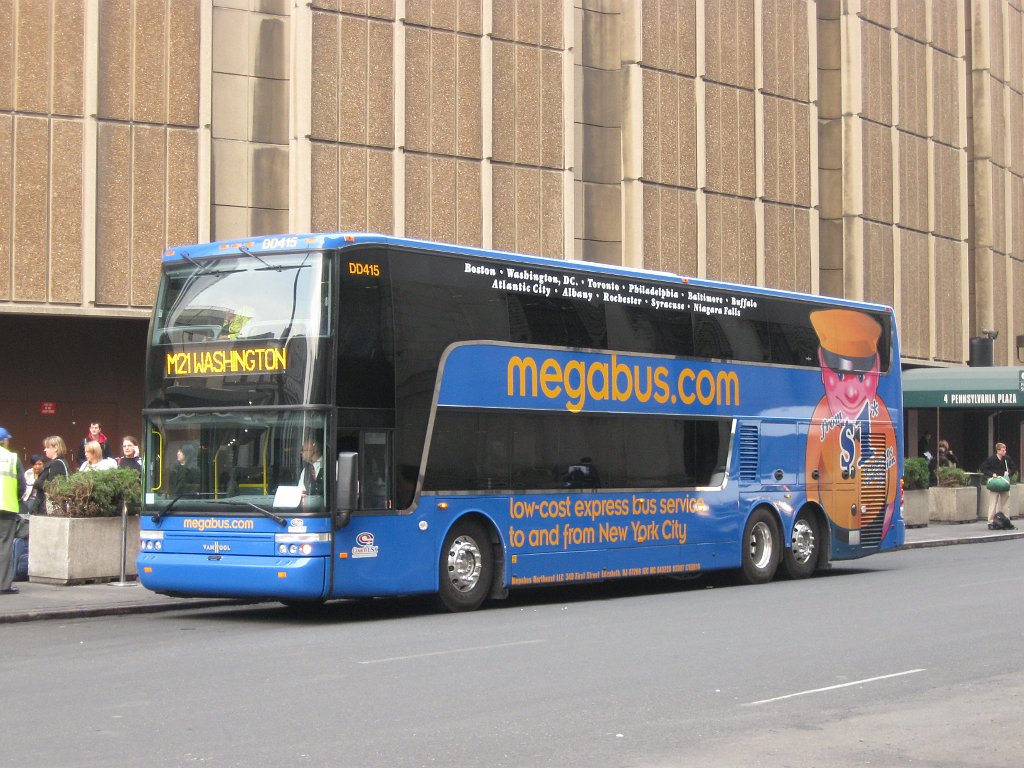
For most travelers, buses are the absolute cheapest way to travel across the USA.
Megabus
Greyhound


Average Cost:
- $10–50 for short routes
- $40–100 for longer distances
Why Buses Are Cheapest:
- No baggage fees (usually 1 free carry-on)
- Frequent discounts
- Major city coverage
Downsides:
- Slower than flights
- Limited comfort on long routes
💡 Best for budget travelers with flexible schedules.
🚆 2. Train Travel (Comfort + Moderate Budget)
Amtrak

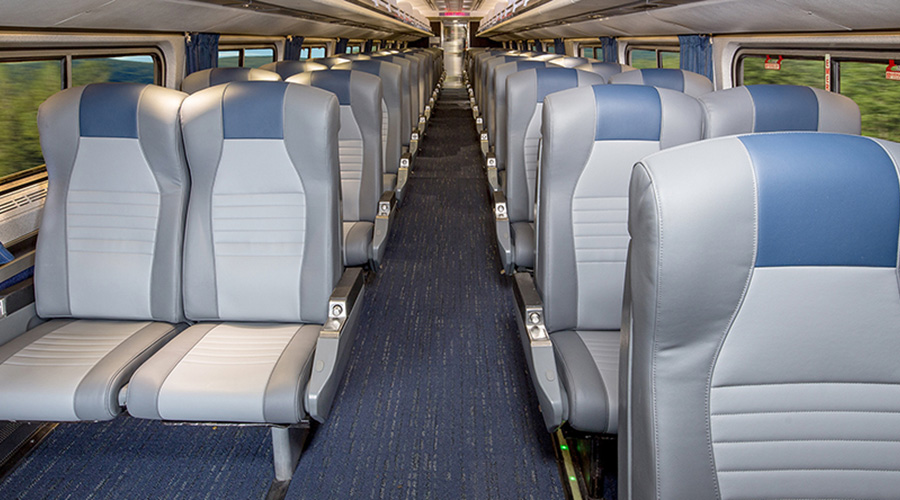


Trains are often more comfortable than buses but slightly more expensive.
Average Cost:
- $20–120 depending on route
Best For:
- Northeast routes (New York–Washington–Boston)
- Scenic travel
- Avoiding airport hassle
Trains are not usually the cheapest cross-country option, but they balance cost and comfort well.
✈️ 3. Budget Domestic Flights – Cheapest for Long Distances
For cross-country travel, flights can surprisingly be cheaper than buses or trains.
Average Cost:
- $50–150 (short flights)
- $120–300 (cross-country)
Low-cost airlines often offer competitive fares if booked early.
If you’re calculating full trip expenses, refer to USA Travel Cost – How Much Money Do You Need? for a detailed breakdown of transportation impact on your overall budget.
🚗 4. Car Rental – Cheapest for Groups
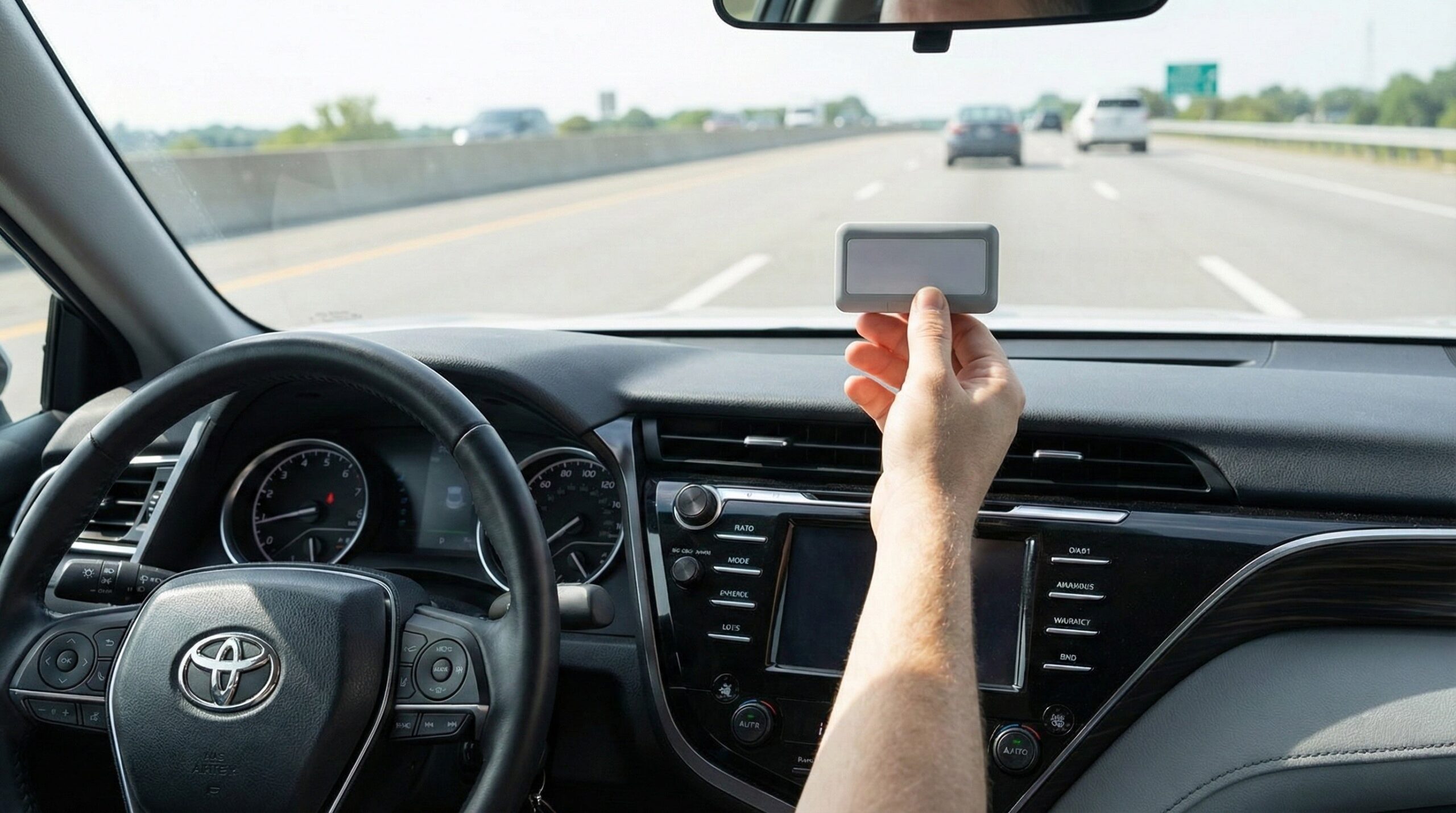

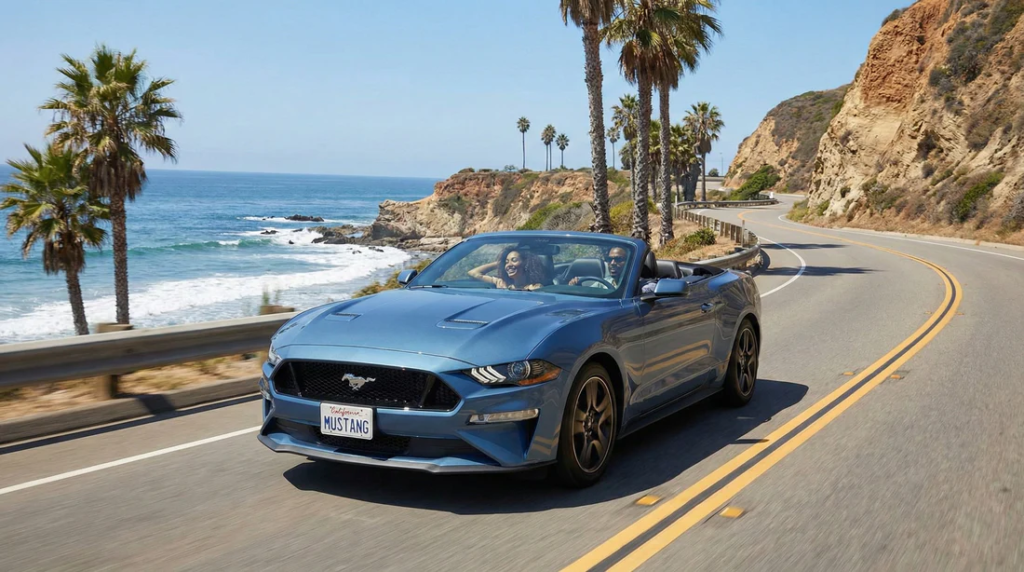
Car rental is rarely the cheapest for solo travelers—but can be cost-effective for groups of 3–4 people.
Average Cost:
- $40–80 per day (economy car)
- Fuel: $3–5 per gallon
Best for:
- National parks
- Rural areas
- Flexible itineraries
🚐 5. Ridesharing & Carpooling
Apps and community ride boards sometimes offer shared rides between cities.
Pros:
- Affordable
- Flexible
Cons:
- Less predictable
- Safety considerations
Cost Comparison Overview
| Transport | Cheapest For | Cost Range | Comfort Level |
|---|---|---|---|
| Bus | Budget solo travelers | $10–100 | Basic |
| Train | Northeast routes | $20–120 | Good |
| Budget Flight | Long distances | $50–300 | Moderate |
| Car Rental | Groups | $40–80/day | Flexible |
Cheapest Option by Travel Type
Solo Traveler (Budget)
➡ Bus or budget flight
Couple
➡ Budget flights or shared car rental
Group of 3–4
➡ Rental car often cheapest per person
Short East Coast Routes
➡ Train or bus
Money-Saving Tips for Traveling Across the USA
- Book tickets early
- Travel midweek
- Avoid peak holidays
- Pack light to avoid baggage fees
- Compare nearby airports
- Use public transport within cities
Budget travelers can structure routes efficiently using insights from USA Itinerary on a Budget (Cost Breakdown).
For longer multi-state journeys, consider planning carefully with a structured route like a 14-day cross-country trip to minimize unnecessary backtracking.
Final Thoughts
The cheapest way to travel across the USA depends on distance and flexibility. For short routes, buses win. For long distances, budget flights are often more economical. For groups, car rentals may provide the best value.
With strategic planning, crossing America doesn’t have to cost a fortune.
Frequently Asked Questions (FAQs)
Q1: What is the absolute cheapest way to travel?
Long-distance buses are usually the cheapest.
Q2: Is flying cheaper than buses?
For long distances, yes—especially with low-cost airlines.
Q3: Is train travel affordable in the USA?
It’s affordable in certain regions, especially the Northeast.
Q4: Is renting a car expensive?
For solo travelers, yes. For groups, it can be cost-effective.
Q5: How far in advance should I book?
2–6 weeks ahead for best prices.