Las Vegas is one of the most exciting and visitor-friendly cities in the United States. From the dazzling lights of the Strip to the vibrant energy of Downtown and the breathtaking natural landscapes nearby, getting around Las Vegas is easier than many travelers expect.
Whether you’re visiting for the first time or returning for another adventure, understanding Las Vegas transportation options can help you save money, reduce stress, and maximize your time.
This complete guide covers everything you need to know about how to get around Las Vegas, including airport transfers, walking, monorail, buses, rideshares, taxis, rental cars, and transportation for day trips.
Getting from the Airport to Your Hotel
Las Vegas is served by Harry Reid International Airport, located just 10–15 minutes from the Strip. Its proximity makes arrival and departure very convenient.
After landing, you have several transportation options:
Taxi from the Airport
Taxis operate 24/7 and are readily available outside the terminal.
Average Cost:
- $25–$35 to most Strip hotels
- Slightly more to Downtown
Las Vegas uses a zone-based pricing system for airport trips to the Strip, meaning fares are often fixed depending on hotel location.
Pros:
✔ Available anytime
✔ No app required
✔ Direct service
Cons:
✘ Slightly more expensive than rideshare
Uber & Lyft
Rideshare services are extremely popular in Las Vegas.
Average Cost:
- $15–$30 to the Strip
- $25–$40 to Downtown
Pick-up areas are clearly marked at the airport. During busy weekends or conventions, surge pricing may apply.
Best For: Budget-conscious travelers and solo visitors.
Airport Shuttle Services
Shared shuttle services cost around $10–$20 per person. While affordable, they can take longer due to multiple stops.
Best For: Solo travelers who are not in a hurry.
Walking the Las Vegas Strip
The Las Vegas Strip is about 4 miles (6.5 km) long. If you’re staying centrally, walking is often the best way to explore.
Walking offers:
✔ Free transportation
✔ Iconic views
✔ Easy access to hotels and attractions
However, distances can be misleading. Casinos are massive properties, and walking between hotels can take longer than expected.
During summer, temperatures can exceed 40°C (104°F), making walking uncomfortable during the day.
Las Vegas Monorail
The Las Vegas Monorail runs along the east side of the Strip and connects major hotels and the convention center.
Key Details:
- Single ride: ~$5
- Unlimited 1-day pass: ~$13
- 3-day pass: ~$29
- Runs early morning to late night
Major Stops Include:
- MGM Grand
- Horseshoe / Paris
- Flamingo
- Harrah’s
- Westgate
- Sahara


Advantages:
✔ Avoids traffic
✔ Air-conditioned
✔ Reliable
Limitations:
✘ Only runs on one side of the Strip
✘ Not directly connected to every hotel
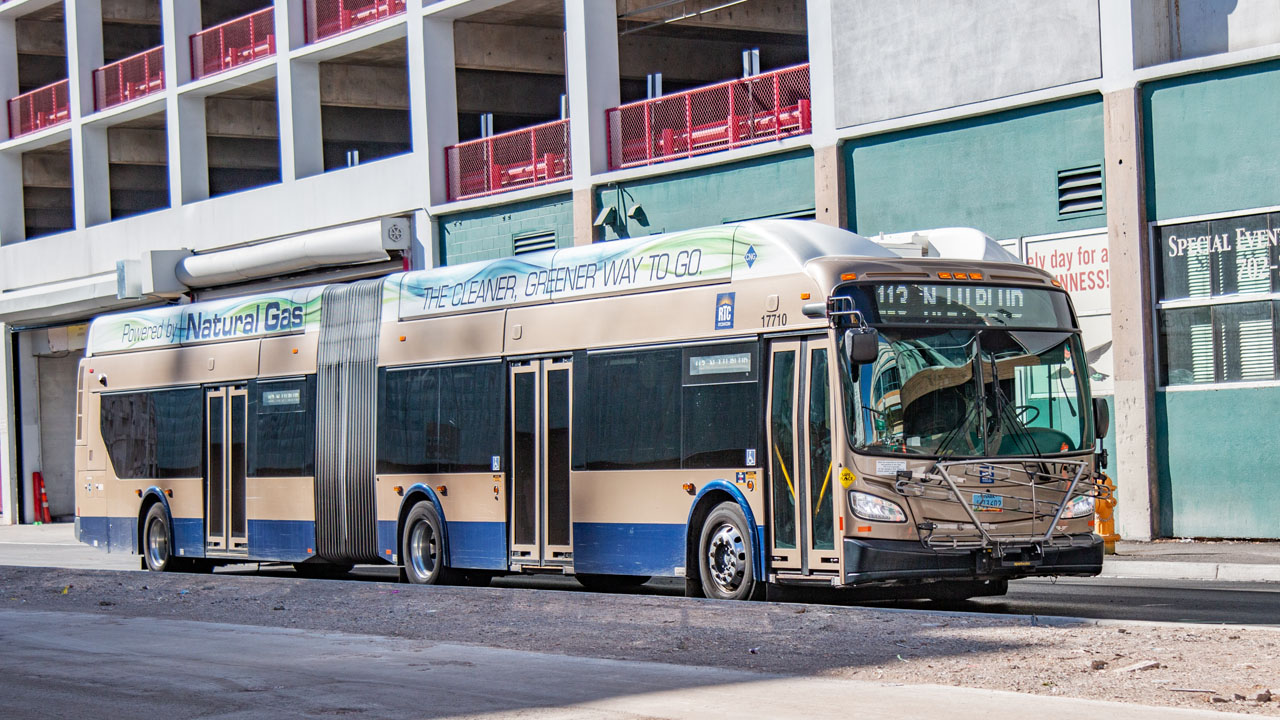
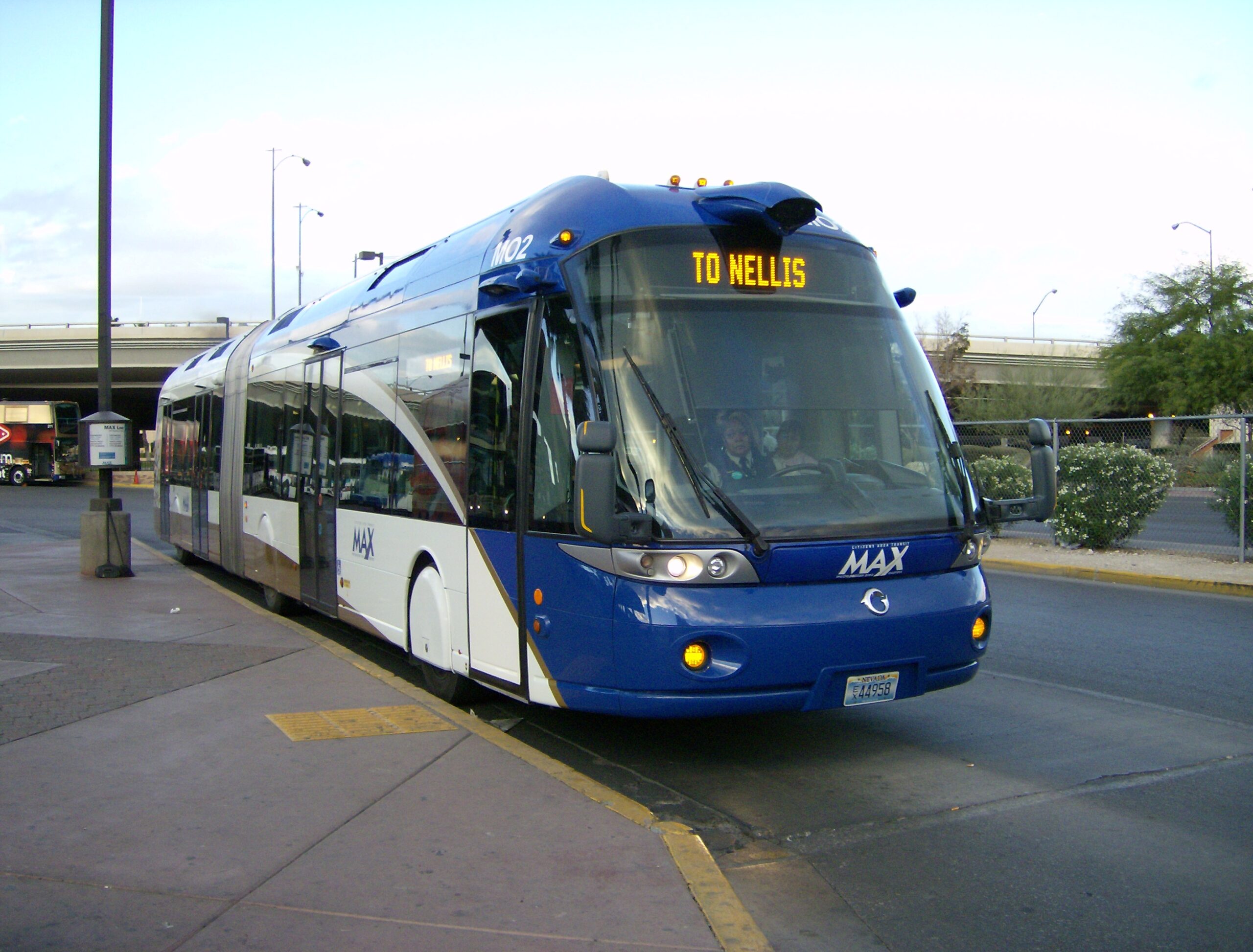
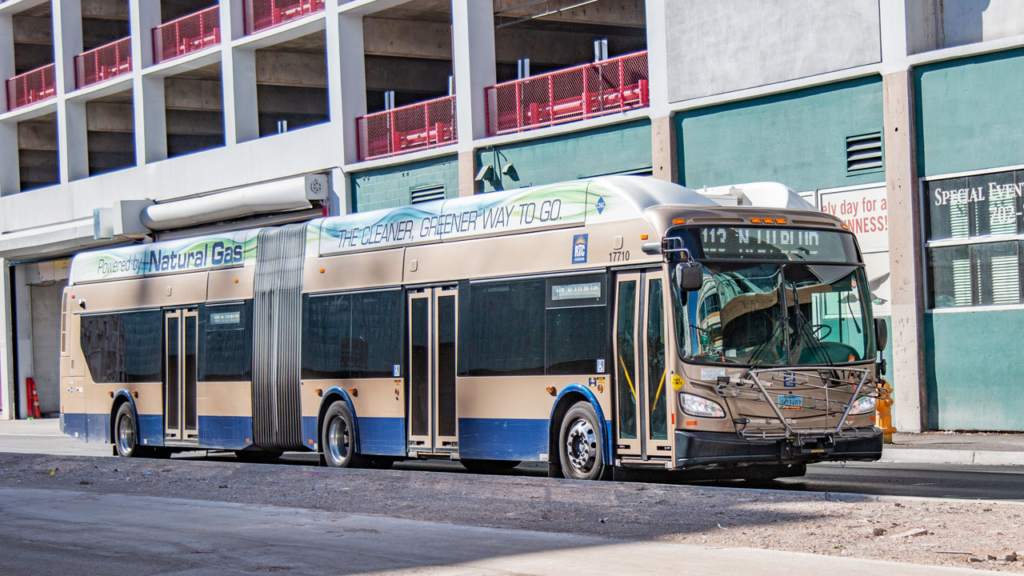
Public Buses (RTC Transit)
The Regional Transportation Commission (RTC) operates public buses across Las Vegas.
Two popular routes for tourists:
The Deuce
Runs 24/7 along the Strip and to Downtown.
SDX (Strip & Downtown Express)
Limited stops, faster than the Deuce.
Costs:
- 2-hour pass: ~$6
- 24-hour pass: ~$8
- 3-day pass: ~$20

Pros:
✔ Very affordable
✔ Runs frequently
Cons:
✘ Can be slow due to traffic
✘ Crowded during peak hours
Uber, Lyft & Rideshare in the City
Rideshare apps are the most convenient transportation method in Las Vegas.
Average Costs Within the City:
- Short Strip ride: $10–$20
- Strip to Downtown: $20–$35
- Strip to Off-Strip hotels: $15–$30
Pick-up and drop-off zones are designated at all major hotels.
Tip: Prices increase during weekends, holidays, and major conventions.
Traditional Taxis
Taxis remain widely available across the Strip and Downtown.
Advantages:
✔ Easy to find at hotel entrances
✔ No app needed
✔ Regulated fares
Disadvantages:
✘ Slightly more expensive than Uber
✘ Traffic delays
To avoid unnecessary detours, ask drivers to take the freeway route when applicable.
Renting a Car in Las Vegas
Renting a car is ideal if you:
- Plan to visit natural attractions
- Stay off the Strip
- Travel with family
- Want flexibility
Average Rental Cost:
- $40–$80 per day
- Higher during peak season
Parking fees at hotels can range from $15–$30 per day, although some hotels offer free parking.
Transportation for Day Trips
Las Vegas is surrounded by world-famous natural landmarks.
Popular nearby destinations:
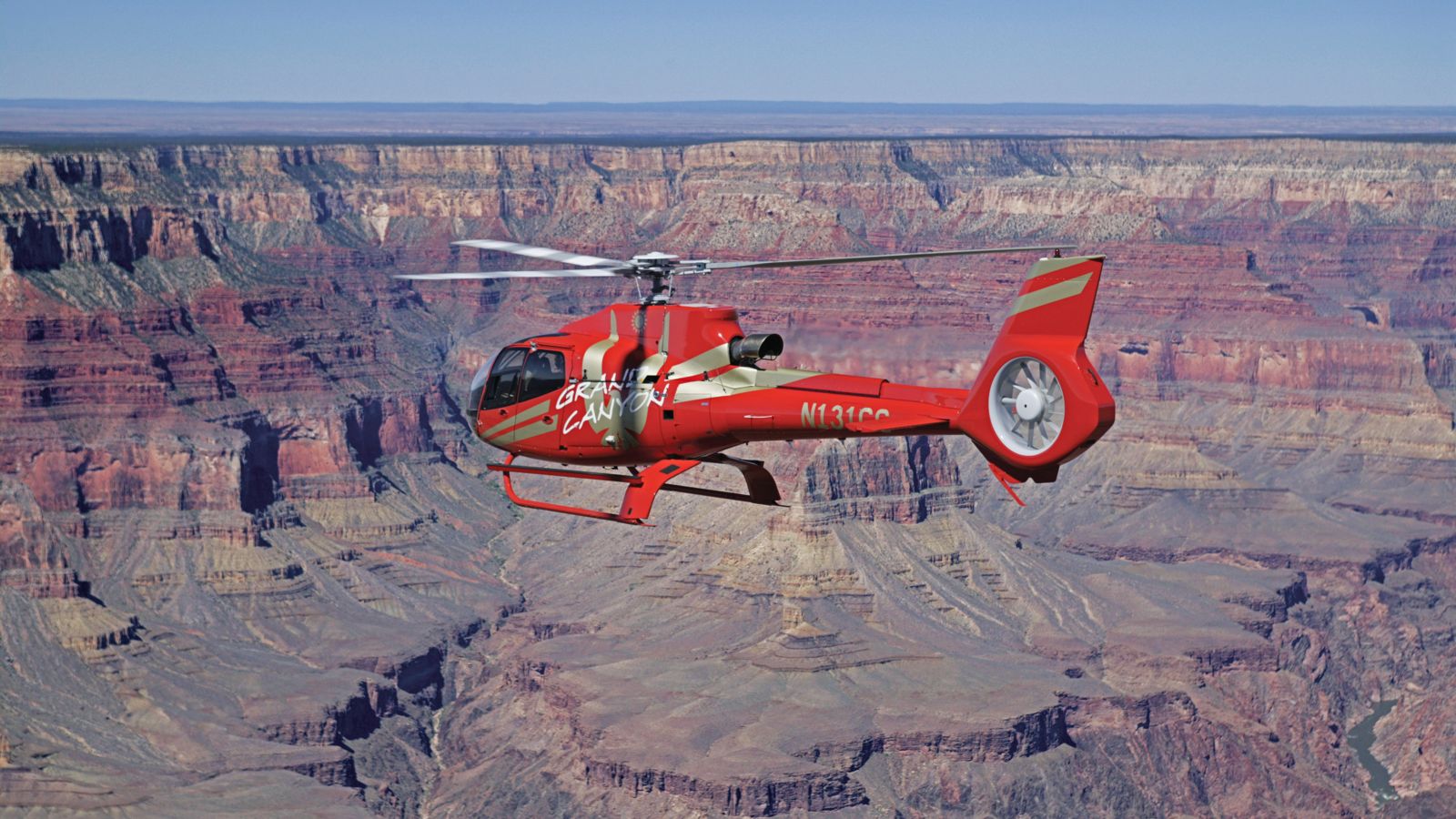
- Grand Canyon
- Hoover Dam
- Red Rock Canyon
- Valley of Fire State Park


Options for Day Trips:
- Rental car (most flexible)
- Guided bus tours ($50–$200)
- Helicopter tours ($250–$500)
Rental cars offer the best balance between cost and flexibility.
Alternative Transportation Options
While not as common, you may also find:
- Electric scooters
- Bicycle rentals
- Private car services
- Hotel shuttle services
Most tourists rely on walking and rideshare apps.
Transportation Budget Breakdown
Here’s what you might spend over 3 days:
Budget Traveler:
- Bus pass: $20
- Occasional Uber: $30
- Total: ~$50
Mid-Range Traveler:
- Uber rides: $80–$120
- Airport transfer: $25
- Total: ~$120–$150
Rental Car User:
- Car rental: $150
- Parking: $60
- Gas: $40
- Total: ~$250
Your transportation budget depends heavily on your accommodation location.
Best Transportation Option Based on Travel Style
First-Time Visitors
Stay on the Strip and walk or use Uber.
Budget Travelers
Use the Deuce bus and walk.
Families
Rent a car for comfort and convenience.
Luxury Travelers
Use rideshare or private car services.
Seasonal Transportation Considerations
Summer heat can make walking uncomfortable. In July and August, rideshare and monorail become more appealing.
During major conventions and events, traffic increases, and surge pricing is common.
Winter weather is mild and ideal for walking.
Is Las Vegas Easy to Navigate?
Yes. Las Vegas is built for tourism.
- Streets are clearly labeled
- Hotels have clear signage
- Navigation apps work accurately
- Major attractions are centralized
Compared to cities like New York or Los Angeles, Las Vegas is much easier to navigate.
Travel Planning Tip
Before choosing your transportation strategy, read our Las Vegas Travel Guide for Tourists for a complete overview of hotels, attractions, itinerary planning, and budgeting tips. Staying in the right area can significantly reduce transportation costs.
You may also want to explore:
- Where to Stay in Las Vegas
- Best Time to Visit Las Vegas
- Things to Do in Las Vegas
- Las Vegas Travel Cost
These guides will help you plan smarter and move efficiently.
Final Thoughts
Las Vegas transportation is flexible, affordable, and designed for convenience. Whether you choose to walk the Strip, take the monorail, use Uber, or rent a car for scenic adventures, getting around the city is simple.
If you stay centrally and plan wisely, transportation costs can remain low while allowing you to explore everything the city offers.
Las Vegas is a city built for entertainment — and getting around is part of the experience.
Frequently Asked Questions
1. What is the best way to get around Las Vegas?
The best way to get around Las Vegas is by walking if staying centrally on the Strip. For longer distances, Uber, Lyft, or the Las Vegas Monorail are convenient options.
2. Do you need a car in Las Vegas?
You don’t need a car if you’re staying on the Strip. However, renting a car is recommended for day trips to the Grand Canyon, Hoover Dam, or Red Rock Canyon.
3. How much does transportation cost in Las Vegas?
Transportation costs vary. A daily bus pass costs around $8, rideshare trips range from $10–$30, and car rentals average $40–$80 per day.
4. How far is the airport from the Las Vegas Strip?
Harry Reid International Airport is approximately 10–15 minutes from most Strip hotels.
5. Is the Las Vegas Monorail worth it?
Yes, the monorail is useful for avoiding traffic and traveling along the east side of the Strip, especially during busy weekends or conventions.
6. Is public transportation reliable in Las Vegas?
Yes, buses like the Deuce run 24/7 along the Strip and Downtown, making them a reliable and budget-friendly option.
7. Is Uber cheaper than taxis in Las Vegas?
In most cases, Uber and Lyft are cheaper than traditional taxis, though surge pricing may apply during peak times.
8. Can you walk everywhere in Las Vegas?
You can walk between many central Strip attractions, but distances are longer than they appear. Comfortable shoes are recommended.