San Francisco is one of the most beautiful and culturally rich cities in the United States. Known for its scenic bay views, iconic bridges, historic neighborhoods, and vibrant cultural scene, the city attracts millions of visitors every year. However, unlike many destinations in California, San Francisco has a unique coastal climate that can make choosing the best time to visit San Francisco slightly confusing for travelers.
Located along the Pacific Ocean in Northern California, San Francisco experiences mild temperatures throughout the year. Fog, cool breezes, and changing microclimates are common, even during summer months.
Understanding the city’s seasonal patterns can help you plan a more enjoyable trip. In this guide, we’ll explore San Francisco’s weather by season, the best months for sightseeing, budget travel tips, and what to expect during different times of the year.
If you’re planning a trip to the city, make sure to read our San Francisco Travel Guide for detailed information about top attractions, neighborhoods, transportation, and travel tips to help you plan the perfect itinerary.
Understanding San Francisco’s Unique Climate
San Francisco’s climate is influenced heavily by the Pacific Ocean and the nearby coastal mountains. Because of this geography, the city rarely experiences extreme heat or cold.
Average temperatures generally range between 10°C and 21°C (50°F–70°F) throughout the year.
One unique aspect of San Francisco is its microclimates. Different neighborhoods may experience completely different weather conditions at the same time. For example, the western side of the city may be covered in fog while downtown areas remain sunny.
Because of these variations, locals often recommend dressing in layers regardless of the season.
Spring in San Francisco (March to May)
Spring is one of the most pleasant seasons to visit San Francisco. During these months, the city gradually becomes greener, flowers begin to bloom, and the weather becomes more comfortable for outdoor exploration.
Temperatures typically range from 12°C to 18°C (54°F–64°F).
Spring is also considered a shoulder season, meaning tourist crowds are smaller than during peak summer months. This allows visitors to enjoy popular attractions with shorter lines and more relaxed sightseeing.
Why Visit San Francisco in Spring
Spring offers several advantages for travelers:
- Comfortable weather for sightseeing
- Fewer tourists compared to summer
- Beautiful parks and gardens in bloom
- Pleasant walking conditions
One of the best places to enjoy spring scenery is Golden Gate Park. This massive urban park features botanical gardens, lakes, museums, and scenic walking trails.
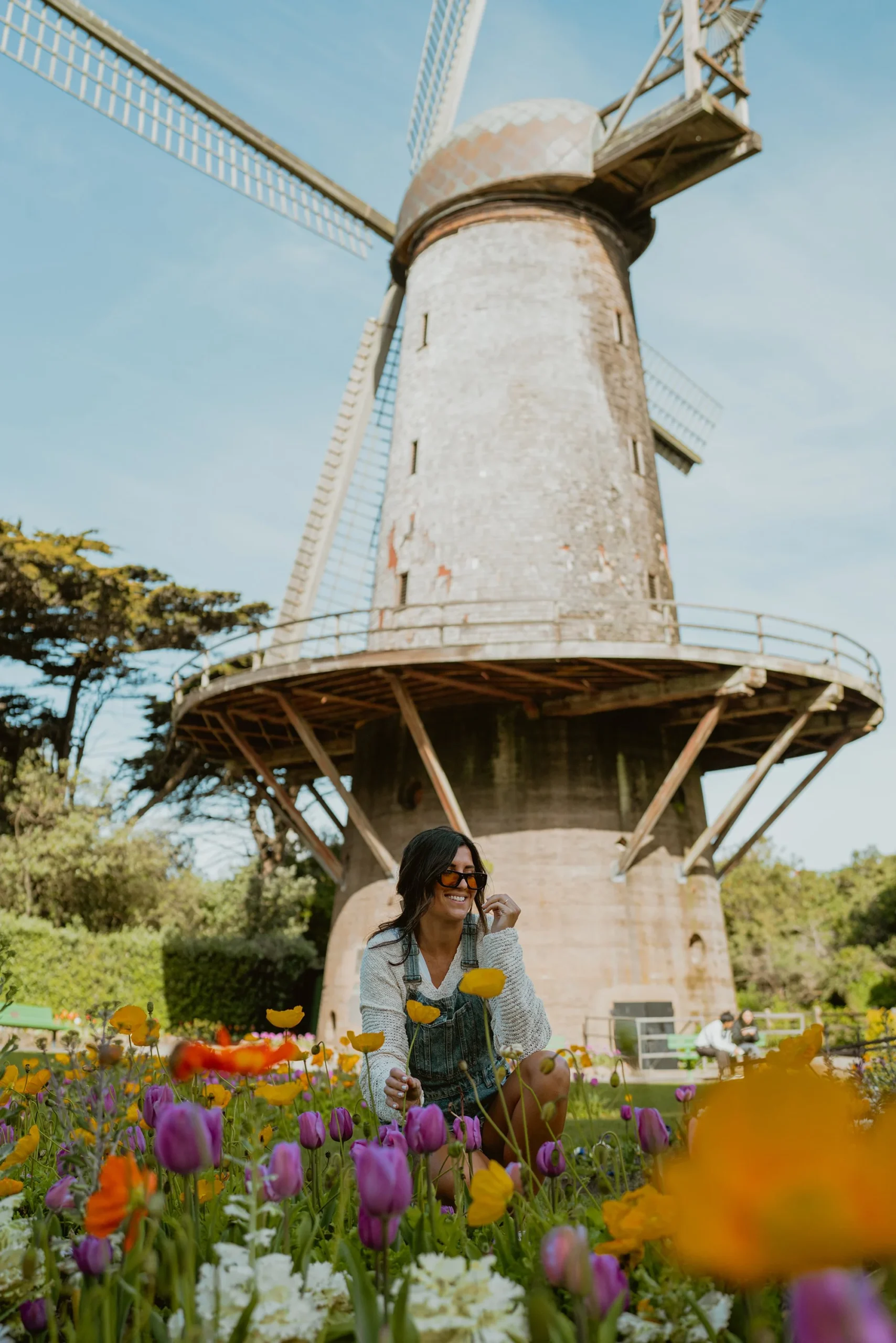


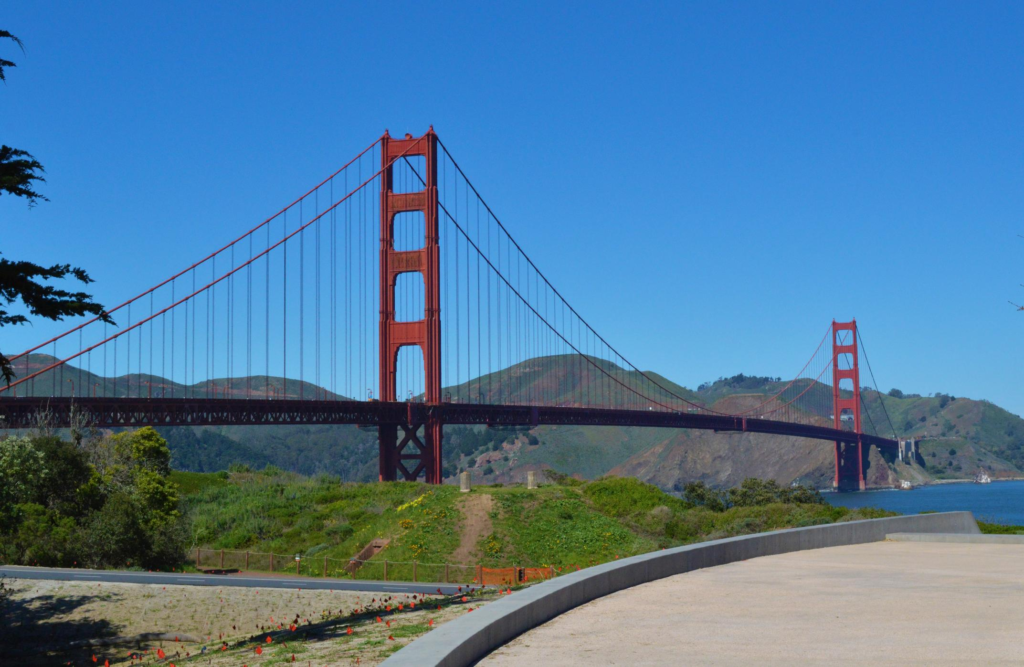
Spring is also a great time to explore neighborhoods like the Mission District and North Beach while enjoying mild temperatures.
Summer in San Francisco (June to August)
Summer is the busiest tourist season in San Francisco, but it may surprise visitors that it is often cooler and foggier than expected.
Temperatures usually range from 13°C to 20°C (55°F–68°F).
During summer, cool air from the Pacific Ocean mixes with warmer inland temperatures, creating the famous San Francisco fog that frequently rolls across the city.
This fog is particularly common around the Golden Gate Bridge, creating dramatic and beautiful views.


Advantages of Visiting in Summer
Despite the fog, summer still has many benefits:
- Long daylight hours
- Many festivals and cultural events
- Lively tourist atmosphere
- Great time for walking tours and bay cruises
Because schools are on vacation, families often travel during summer, making it one of the busiest periods in the city.
However, travelers should pack warm clothing, as evenings can feel surprisingly chilly.
Fall in San Francisco (September to November) — Best Overall Season
Fall is widely considered the best time to visit San Francisco. During this season, the summer fog begins to disappear, skies become clearer, and temperatures are slightly warmer than earlier months.
Average temperatures range from 15°C to 22°C (59°F–72°F).
This period offers the most reliable weather conditions for sightseeing and photography.
Why Fall Is the Ideal Travel Season
Fall combines several travel advantages:
- Clear skies and sunny days
- Warmer temperatures than summer
- Smaller crowds than peak tourist season
- Excellent visibility for scenic viewpoints
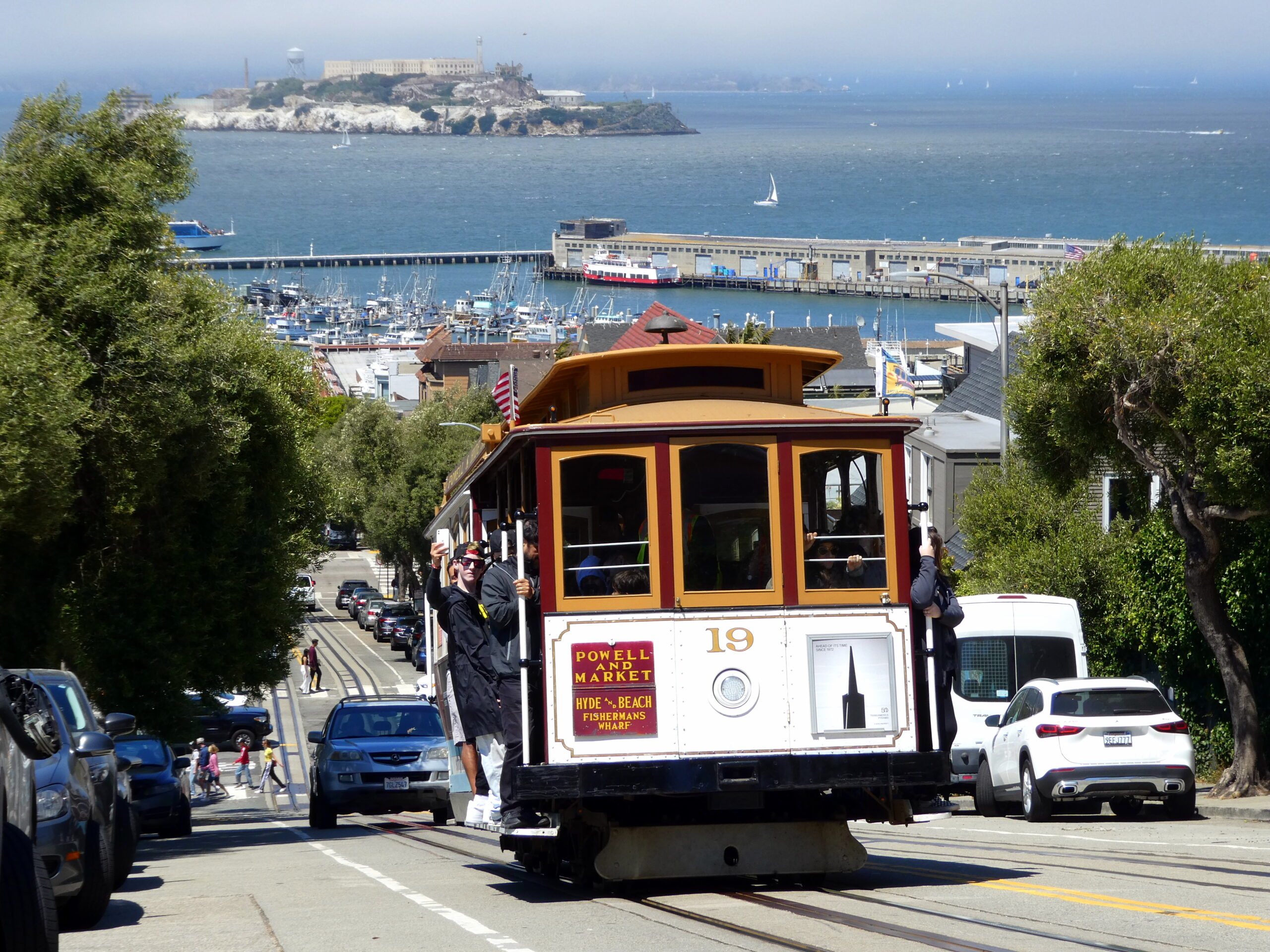
The beautiful weather makes it perfect for exploring iconic attractions like Alcatraz Island and walking along the waterfront at Fisherman’s Wharf.


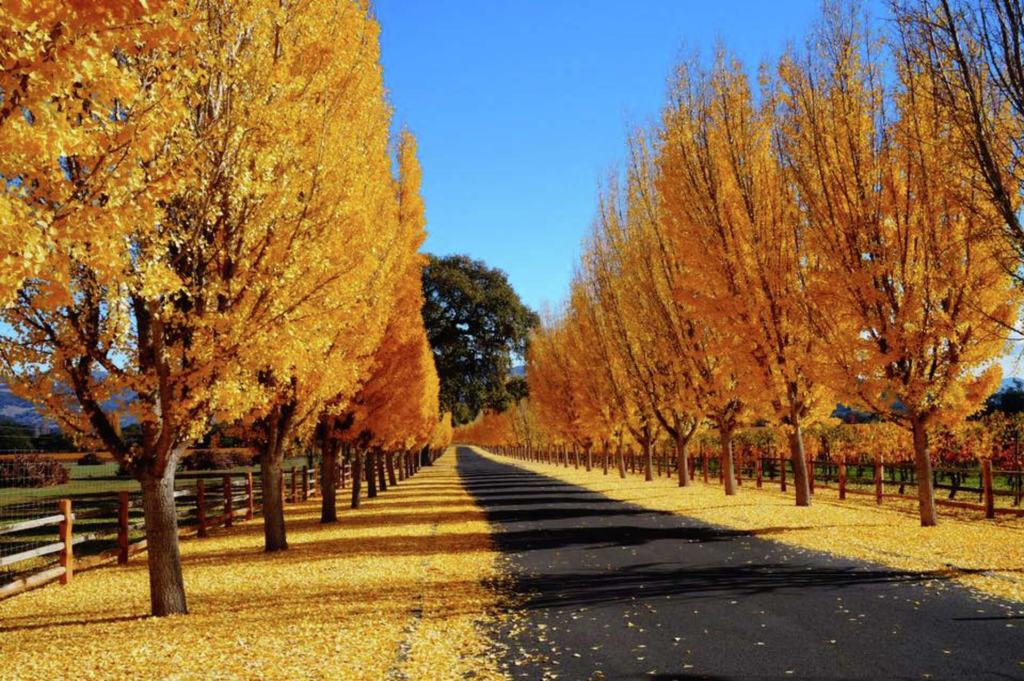
Fall is also a fantastic time for nearby day trips to destinations like Napa Valley, where vineyards turn golden and harvest season begins.
Winter in San Francisco (December to February)
Winter in San Francisco is cool but relatively mild compared to many other cities in the United States. Temperatures generally range between 8°C and 15°C (46°F–59°F).
While winter brings occasional rain, it also offers quieter tourist conditions and lower hotel prices.
Benefits of Visiting in Winter
Travelers who visit during winter can enjoy:
- Lower accommodation prices
- Fewer tourist crowds
- Festive holiday decorations
- Easier access to attractions


Holiday lights and decorations around Union Square create a magical atmosphere in December.
Although winter may not offer the warmest weather, it can still be a great time for museums, shopping, and cultural experiences.
Month-by-Month Overview
Here is a simple overview of San Francisco’s travel seasons:
- January: Cool and quiet, lowest tourist numbers
- February: Slightly warmer but still mild
- March: Beginning of spring with blooming parks
- April: Pleasant temperatures and good sightseeing weather
- May: One of the best spring months
- June: Start of summer fog
- July: Cool and foggy but busy with tourists
- August: Similar weather to July with large crowds
- September: Warmest and clearest month
- October: Ideal travel conditions
- November: Mild weather with fewer visitors
- December: Holiday decorations and festive atmosphere
Best Time for Different Travel Styles
Different travelers may prefer different seasons depending on their goals.
Best Weather
September and October offer the warmest and sunniest days.
Best for Budget Travelers
January and February often have the lowest hotel prices.
Best for Festivals
Summer hosts many cultural events and outdoor festivals.
Best for Photography
Fall offers the clearest views of the Golden Gate Bridge and city skyline.
Popular Attractions to Visit Year-Round
Some landmarks remain spectacular regardless of the season.
Must-visit attractions include:
- Golden Gate Bridge
- Alcatraz Island
- Fisherman’s Wharf
- Golden Gate Park
Each of these destinations provides a unique experience that highlights the city’s character and history.
Travel Planning Tip
If you are planning a multi-city trip across the United States, exploring other major destinations can make your journey even more exciting.
You can discover entertainment and nightlife in the Las Vegas Travel Guide for Tourists, explore Hollywood and coastal attractions in the Los Angeles Travel Guide for First-Time Visitors, or experience iconic landmarks with the New York Travel Guide for First-Time Visitors.
For a broader overview of destinations across the country, the USA Travel Guide can help you design a complete travel itinerary.
Final Thoughts
San Francisco is a fantastic destination that can be enjoyed throughout the year. However, September through November is generally considered the best time to visit due to warm weather, clearer skies, and fewer crowds.
Spring also offers beautiful scenery and comfortable sightseeing conditions, while winter provides budget-friendly travel opportunities.
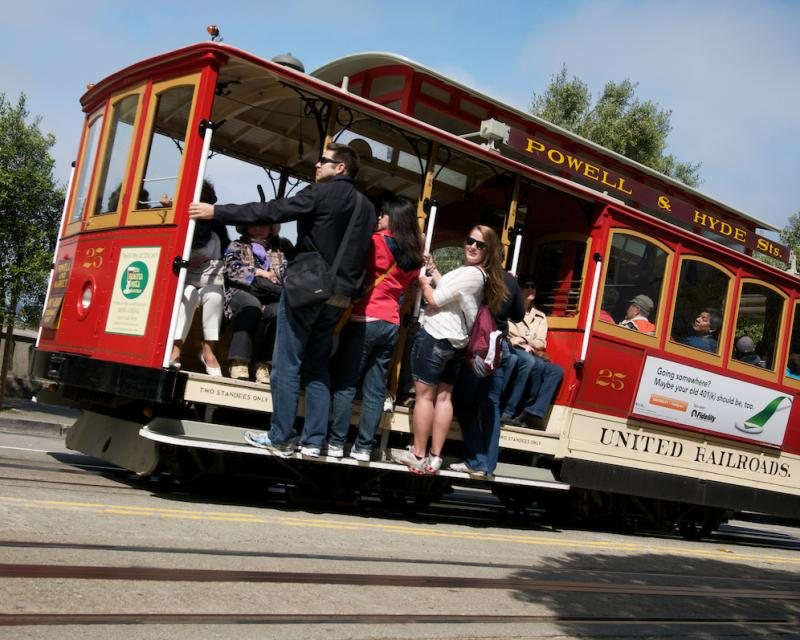
Whether you’re walking across the Golden Gate Bridge, exploring Alcatraz Island, riding historic cable cars, or enjoying fresh seafood at Fisherman’s Wharf, San Francisco promises an unforgettable travel experience.
By choosing the right season and planning ahead, you can enjoy everything this iconic city has to offer.
Frequently Asked Questions
1. What is the best month to visit San Francisco?
The best months to visit San Francisco are September and October because the weather is warm, skies are clearer, and tourist crowds are smaller than during summer.
2. Is San Francisco cold in summer?
Yes, summer in San Francisco is often cool and foggy due to coastal weather patterns. Temperatures usually range between 55°F and 68°F (13°C–20°C).
3. What is the cheapest time to visit San Francisco?
The cheapest time to visit San Francisco is during January and February, when tourist demand is lower and hotel prices are often reduced.
4. How many days are enough to explore San Francisco?
Most travelers spend 3 to 4 days exploring major attractions such as the Golden Gate Bridge, Alcatraz Island, Fisherman’s Wharf, and Golden Gate Park.
5. When is the foggiest time in San Francisco?
The foggiest months in San Francisco are typically June through August, especially near the Golden Gate Bridge and coastal areas.
6. Is San Francisco good to visit in winter?
Yes, winter can be a good time to visit because crowds are smaller and hotel prices are lower, although occasional rain may occur.
7. What is the warmest month in San Francisco?
September is usually the warmest month in San Francisco, with pleasant temperatures and clearer skies.
8. Is San Francisco crowded during summer?
Yes, summer is the peak tourist season in San Francisco because many families travel during school holidays.