

Applying for a U.S. visa is an exciting step toward visiting one of the most popular travel destinations in the world. However, many applicants face disappointment when their visa gets denied. Understanding the US visa rejection reasons is the key to avoiding mistakes and improving your chances of approval.
The United States follows strict immigration rules, and visa officers evaluate applications carefully to ensure travelers meet eligibility requirements and intend to return home after their visit. Even small errors or unclear answers can result in refusal.
This detailed guide explains the most common reasons for US visa rejection and provides practical tips to help you avoid them.
Why US Visas Get Rejected
Every year, millions of people apply for US visas, and while many are approved, a significant number are refused. The most common legal basis for denial is Section 214(b) of the Immigration and Nationality Act.
Under this rule, every applicant is considered a potential immigrant until they prove otherwise. In simple terms, you must convince the visa officer that:
- You have strong ties to your home country
- Your trip purpose is genuine
- You can afford your travel expenses
- You will return home after your visit
If the officer is not satisfied with any of these points, your visa may be denied.
1. Weak Ties to Your Home Country
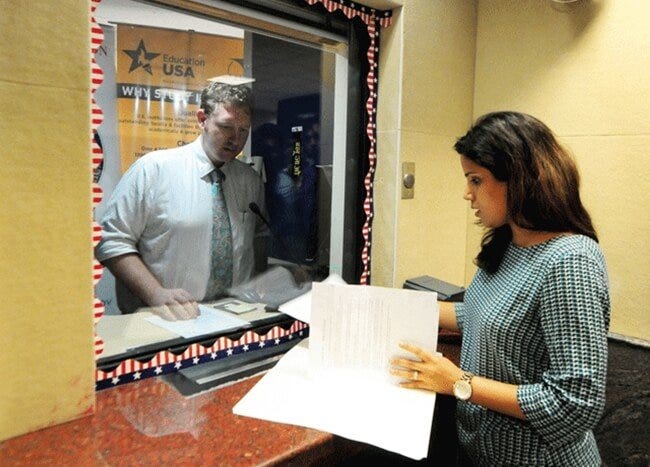

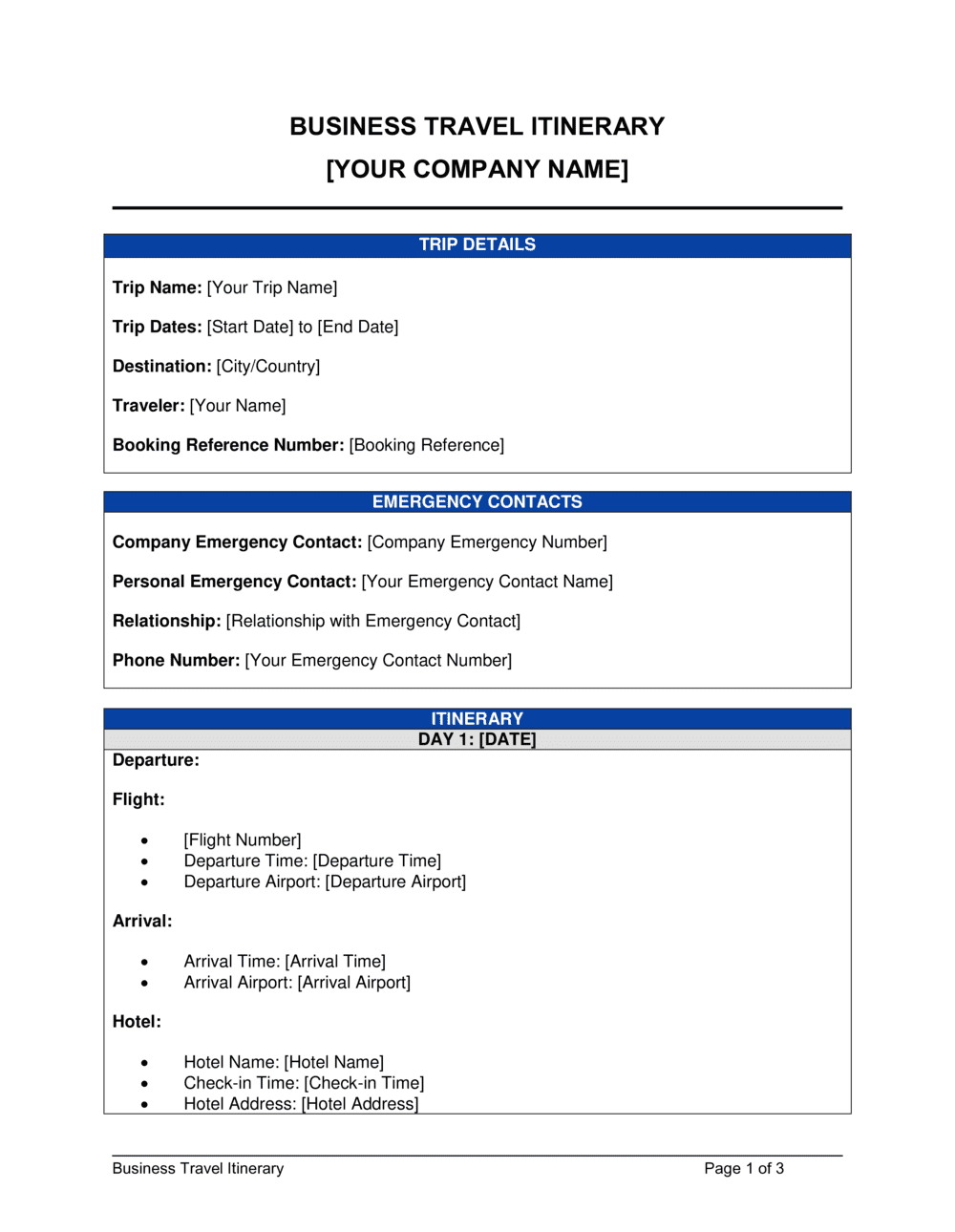
One of the biggest reasons for rejection is failing to demonstrate strong connections to your home country.
Visa officers want proof that you have reasons to return after your trip.
Examples of weak ties include:
- Unemployment or unstable job
- No property ownership
- No family responsibilities
- Low income or financial instability
- Recently graduated without employment
How to Avoid This Problem
You should provide evidence such as:
- Employment letter with salary details
- Leave approval from employer
- Business registration documents (if self-employed)
- Property ownership documents
- Family proof (marriage certificate, children’s birth certificates)
The stronger your ties, the higher your approval chances.
2. Incomplete or Incorrect DS-160 Form
The DS-160 form is the foundation of your visa application. Any mistakes or inconsistencies can raise suspicion.
Common errors include:
- Incorrect personal information
- Wrong travel dates
- Inconsistent employment details
- Missing information
- Typographical mistakes
Even minor discrepancies between your form and your interview answers can create doubt.
How to Avoid This Problem
- Review your DS-160 multiple times before submission
- Ensure details match your documents
- Keep a copy of your submitted form
- Be honest and consistent
Accuracy is essential.
3. Insufficient Financial Proof


Applicants must demonstrate that they can afford their trip without working illegally in the United States.
Financial red flags include:
- Very low bank balance
- Sudden large deposits before application
- Unclear income sources
- No savings history
How to Avoid This Problem
Provide:
- 6 months bank statements
- Salary slips or income proof
- Tax returns (if available)
- Sponsor documents if someone is funding your trip
Financial stability builds trust.
4. Unclear or Suspicious Travel Purpose
If your travel plans seem unclear, unrealistic, or inconsistent, your visa may be rejected.
Examples:
- No clear itinerary
- No accommodation plans
- Confusing answers about trip purpose
- Vague explanations
How to Avoid This Problem
Prepare:
- A simple travel itinerary
- Hotel booking confirmations
- Invitation letters (if visiting relatives)
- Return flight plans
You don’t need expensive bookings—just a clear plan.
5. Previous Immigration Violations
Past immigration problems can significantly impact your visa chances.
These include:
- Overstaying previous visas
- Deportation history
- Illegal work abroad
- Prior visa refusals
How to Handle This Situation
- Always be honest
- Provide explanations if needed
- Show improved circumstances
Honesty is critical—misrepresentation can lead to permanent bans.
6. Poor Interview Performance
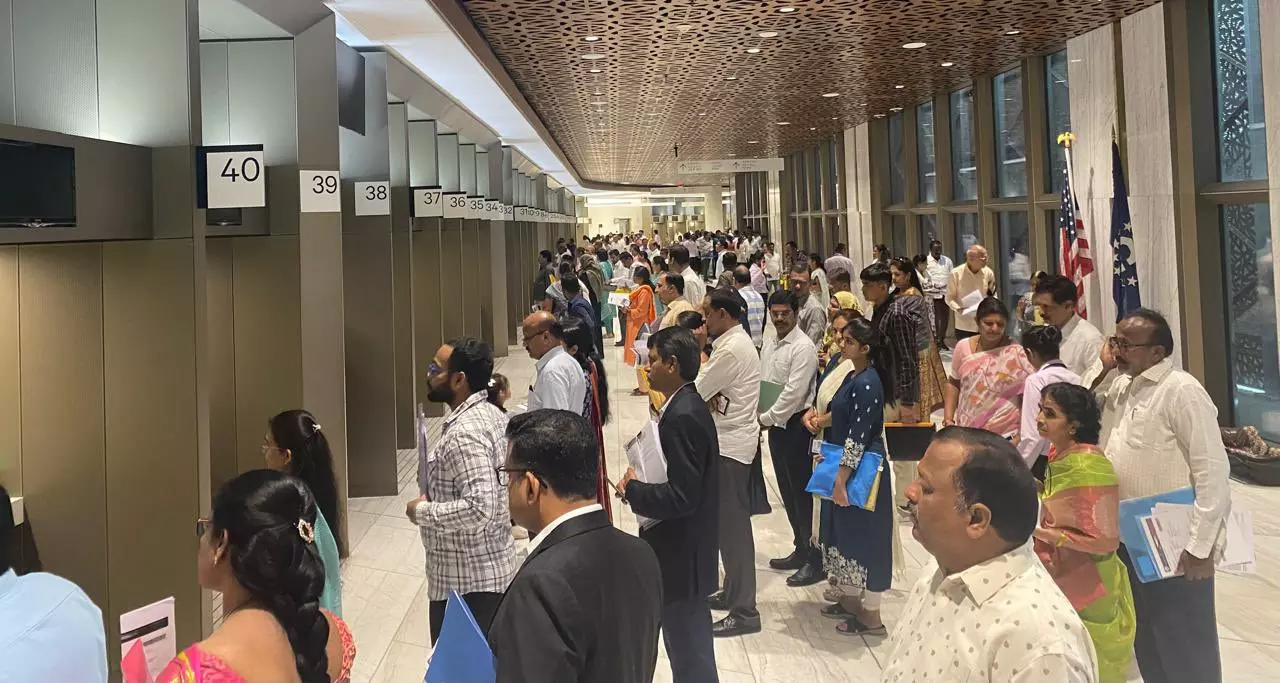
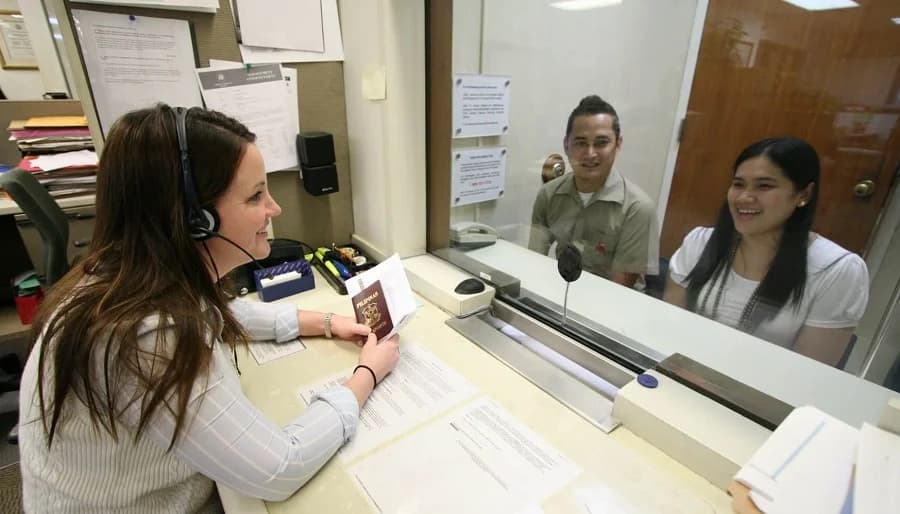
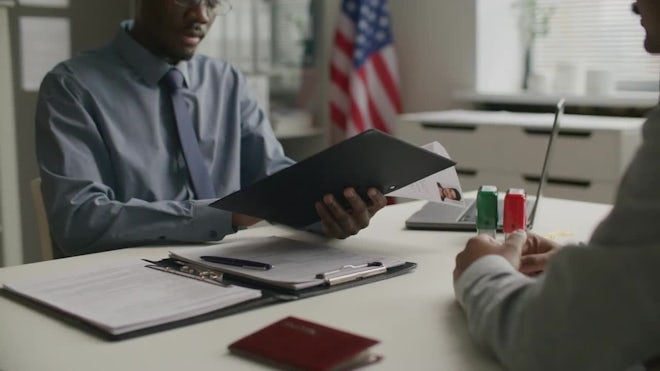
The visa interview is often short—sometimes only 2–3 minutes—but it plays a major role.
Common interview mistakes:
- Nervous behavior
- Over-explaining answers
- Memorized or scripted responses
- Contradicting your DS-160 information
- Lack of confidence
How to Improve Interview Performance
- Practice common questions
- Speak clearly and honestly
- Keep answers short and natural
- Maintain eye contact
- Stay calm
Confidence matters more than perfect English.
7. Suspicion of Immigration Intent
Visa officers must ensure you do not intend to immigrate illegally.
Risk factors include:
- No job or career plans
- Relatives living illegally in the US
- Young single applicants with limited ties
- Previous long stays abroad
How to Reduce Suspicion
- Show return plans
- Provide employment or study proof
- Demonstrate long-term commitments
You must convince the officer that your visit is temporary.
8. Lack of Travel History
Applicants who have never traveled abroad sometimes face more scrutiny.
Travel history shows that you:
- Respect visa rules
- Return home after trips
- Have international exposure
How to Improve This
Traveling to other countries before applying for a US visa can strengthen your profile.
9. Inadequate Supporting Documents
Missing or weak documentation can create doubts.
Examples:
- No employment proof
- Missing bank statements
- Unclear sponsor letters
- Incomplete paperwork
Solution
Prepare documents carefully, even if the officer does not request them.
10. Applying Too Soon After Rejection
Many applicants reapply immediately after a denial without improving their situation.
This often leads to another rejection.
Better Strategy
Reapply only after:
- Strengthening finances
- Improving employment situation
- Addressing previous rejection reasons
What Happens After a US Visa Rejection?
If your visa is refused:
- You receive a refusal letter
- Your passport is returned
- Your application record remains in the system
A refusal does not permanently block future applications.
Can You Reapply After Visa Rejection?
Yes. Many people get approved after a previous denial.
The key is:
- Understanding why you were rejected
- Fixing those issues
- Preparing better for the next interview
Tips to Increase US Visa Approval Chances
- Be honest in all information
- Maintain stable employment
- Show financial strength
- Prepare documents carefully
- Practice interview questions
- Avoid fake documents or agents promising approval
No one can guarantee a visa—only your profile matters.
Common Myths About US Visa Rejection
Myth 1: Agents Can Guarantee Approval
False. Approval depends only on the consular officer.
Myth 2: Bank Balance Alone Gets Approval
False. Ties to your home country matter more.
Myth 3: Previous Rejection Means Permanent Denial
False. Many applicants succeed later.
Showing Financial Stability for Your Visa Application
One of the most important factors in visa approval is proving that you can afford your trip without financial difficulty. Consular officers often evaluate whether your income, savings, and travel budget are realistic for your planned stay in the United States.
If you’re unsure how much money you should show or how to estimate travel expenses, you can read USA Travel Cost – How Much Money Do You Need? for a detailed breakdown of accommodation, food, transportation, and daily spending expectations.
Understanding realistic travel costs helps you:
- Prepare stronger financial documents
- Avoid unrealistic travel plans
- Demonstrate genuine travel intent
- Improve credibility during your interview
Clear financial planning can significantly increase your chances of visa approval.
Final Thoughts
A US visa rejection can feel discouraging, but it is not the end of your travel plans. Most refusals happen because the officer needs stronger evidence—not because you are permanently ineligible.
By understanding the common US visa rejection reasons and preparing carefully, you can significantly improve your chances of approval.
Confidence, honesty, and preparation are your biggest advantages.
Frequently Asked Questions (FAQs)
Q1: What is the most common reason for US visa rejection?
Weak ties to the home country under Section 214(b).
Q2: Can I apply again after rejection?
Yes, anytime. But improve your profile first.
Q3: Does visa refusal affect future applications?
It can, but approval is still possible.
Q4: Is bank balance important for US visa?
Yes, but employment and ties are equally important.
Q5: How many times can I apply?
There is no limit, but repeated applications without improvement may fail.
One response to “US Visa Rejection Reasons (And How to Avoid Them) – Complete Guide”
[…] learn the most common mistakes applicants make and how to avoid them, read US Visa Rejection Reasons (And How to Avoid Them). That guide explains refusal causes in detail and provides practical tips to strengthen your […]